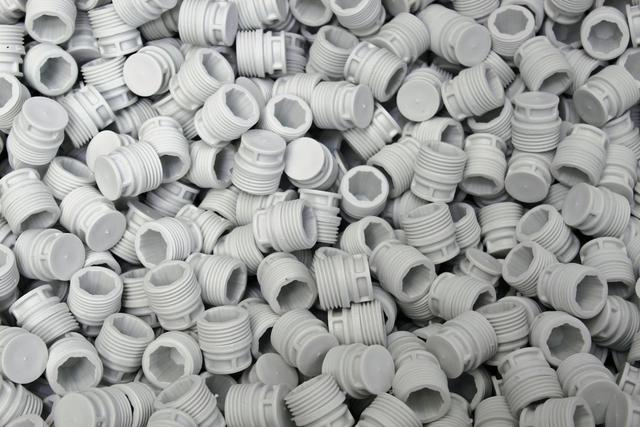
If you work in manufacturing, you’ve probably heard the term “regrind plastic.” You might even use it already. But who’s actually buying regrind plastic at scale? And what are they making with it every day here in Wisconsin?
Take a clear, real-world look at how manufacturers across the Fox Valley and beyond use regrind plastic in their production lines. No hype. Just how it works, why they buy it, and where it fits.
Regrind plastic is clean, processed plastic scrap that has been ground into flakes or pellets so it can be reused. It often comes from:
When handled right, regrind runs smoothly through standard equipment. For many Wisconsin manufacturers, it’s not a backup plan. It’s part of their regular material mix.
Injection molders are some of the biggest buyers of regrind plastic for sale in Wisconsin.
They use it for:
Think about totes, brackets, clips, spacers, and internal housings. These parts still need strength and consistency. They just don’t need to be brand new plastic.
Many molders blend regrind with virgin resin. Others run 100 percent recycled material when specs allow. The key is consistency. That’s why sourcing matters.
Thermoforming operations use large volumes of plastic sheet. Trim waste adds up fast.
Instead of sending that material out of state, many Wisconsin thermoformers regrind it and bring it back into their process. Some also buy external regrind plastic to supplement their own supply.
Common products include:
These companies focus on predictable melt flow and clean material. When they find a recycler who delivers that, they stick with them.
Extruders rely on steady feedstock. Regrind plastic fits well when it’s sorted and sized correctly.
You’ll see regrind used in:
Extrusion lines run continuously, so downtime costs money. Buyers look for suppliers who understand that and deliver material they can trust.
Many Wisconsin manufacturers mold their own parts instead of outsourcing. These companies often buy regrind plastic to control costs and waste at the same time.
Examples include:
They’re making parts that support larger products. If the part works and meets spec, regrind makes sense.
Here’s a snapshot of real products made with regrind plastic in Wisconsin:
Most of these parts aren’t flashy. They don’t need to be. They need to work every time.
That’s where recycled plastic shines.
Virgin resin prices move fast. Regrind gives manufacturers more stability. It also reduces material costs without sacrificing performance when used correctly.
Buying regrind plastic for sale from a Wisconsin recycler shortens the supply chain. That means faster turnaround, fewer shipping issues, and real accountability.
If there’s a problem, you can call someone nearby. Or drive over.
Many companies have sustainability targets now. Regrind plastic helps meet those goals in a practical way.
This isn’t about slogans. It’s about keeping usable material out of landfills and putting it back into production.
Not all regrind is the same. Manufacturers know this.
They look for partners who:
In Wisconsin, long-term relationships matter. Family-owned businesses tend to understand that. When a recycler says, “This is what it is,” buyers expect that to be true.
That trust keeps production lines running.
At Becher Plastics in Menasha, the focus stays simple. Help customers reduce their carbon footprint. Provide high-quality recycled plastic resins. Offer full recycling and brokerage services for Wisconsin businesses.
That local presence matters. Manufacturers don’t want a call center three states away. They want a partner who knows their process and their people.
If you manufacture plastic parts in Wisconsin, the answer is often yes.
Regrind plastic works best when:
If you’re already using regrind, there may be room to use more. If you’re not, starting with one application is often enough to see the benefits.
If you’re in the Fox Valley or nearby, start with a conversation. Talk through your process. Talk through your specs. See what fits.
Regrind plastic isn’t a compromise when it’s done right. It’s just smart manufacturing.
And that’s how a lot of Wisconsin companies already work.