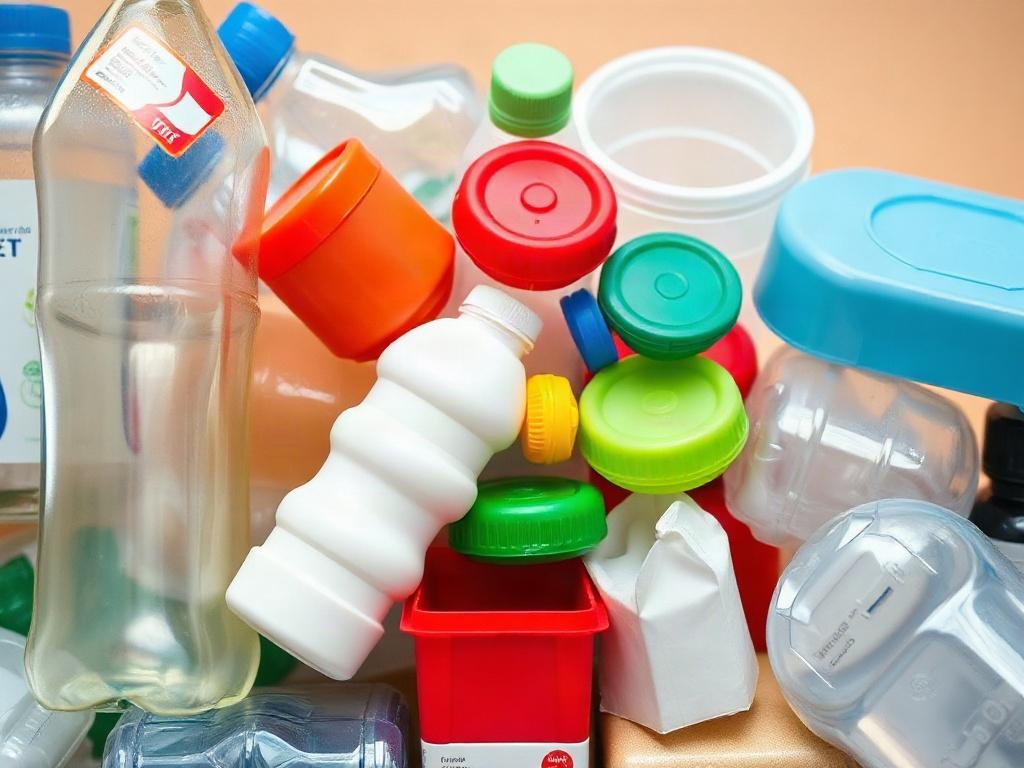
A warehouse might have stacks of used plastic containers in one corner and leftover manufacturing material in another. Both could be worth something, but the plastic type, its condition, and demand will determine whether a buyer is interested.
That distinction matters in the plastic recycling market. PET, HDPE, polypropylene, and polystyrene are common materials with different properties and uses. If your business generates plastic scrap or purchases recycled resin for manufacturing, understanding these differences can help you make more informed decisions.
PET is short for polyethylene terephthalate. You'll find it in water bottles, soda bottles, food packaging, and polyester fabric. Clear beverage bottles are one of the most recognizable examples, and many recycling programs collect them specifically.
After collection, PET is sorted, cleaned, and processed into flakes or pellets, depending on the recycling operation. Manufacturers can use the recovered material to make polyester fibers, carpet, strapping, packaging trays, and new bottles when the material meets the requirements.
Color can affect resale opportunities. Clear PET may suit applications that require a light or consistent color, while green and other colored material may have fewer options. Contamination also matters, especially when a load contains leftover liquids, food, or other plastics.
For businesses selling PET scrap, knowing the source and keeping materials separated can make the transaction more straightforward. Buyers may have specific requirements for bottle color, moisture, labels, caps, and acceptable contamination levels.
High-density polyethylene, or HDPE, is the plastic used in many detergent bottles, milk jugs, shampoo containers, and industrial containers. It's valued for its durability and moisture resistance, making it useful for products that need to withstand regular handling.
Recycled HDPE has many potential applications. Manufacturers use it in products such as plastic lumber, outdoor furniture, storage containers, buckets, pipes, and nonfood packaging. The exact application depends on the material's quality and the finished product's specifications.
Natural HDPE is often kept separate from colored HDPE. A manufacturer making a light colored product may prefer natural material, while a producer of dark containers or landscaping products may have different requirements.
If you're selling HDPE, don't assume every buyer wants the same thing. One may accept whole containers, while another may require the material to be ground or baled. Checking those details before preparing a shipment can save both time and transportation costs.
Polypropylene, usually marked PP, is used in bottle caps, food storage containers, reusable crates, automotive parts, and various industrial products. It's lightweight and resistant to many chemicals, which makes it useful across several manufacturing sectors.
Recovered polypropylene can be processed into pellets and used to manufacture items such as buckets, plant pots, storage bins, and automotive components. Recycled material isn't automatically suitable for every application, though. Its grade, color, contamination, and physical properties all influence how a manufacturer can use it.
PP recycling also depends on access to suitable collection and processing facilities. Some curbside programs don't accept it, even though commercial and industrial quantities may be worth recovering.
Businesses that produce PP waste during manufacturing may have an advantage because their scrap can be more consistent than mixed household waste. Keeping it separate from other resins gives potential buyers a clearer picture of what they're purchasing.
Polystyrene, or PS, comes in rigid forms and expanded foam. Common examples include disposable cutlery, certain food containers, protective packaging, and insulation.
Expanded polystyrene creates a particular challenge for recyclers. It's bulky and lightweight, so a truck can fill up long before carrying much actual plastic. Compacting or densifying the foam reduces its volume and can make transportation more practical, provided the receiving facility accepts that form of material.
Recycled polystyrene may be used in products such as picture frames, trim, insulation, and other manufactured goods. However, local recycling options are limited in some areas, and not every buyer accepts foam or food service packaging.
Before stockpiling polystyrene for resale, find out whether a nearby processor accepts it and what preparation it requires. A recycling opportunity only makes financial sense when you can handle and transport the material at a reasonable cost.
The resin code is a useful starting point, but it doesn't tell you everything a buyer needs to know. Mixed, dirty, or hard-to-identify material may require extra sorting and processing, which can affect the price.
Before agreeing to a sale or purchase, consider the following:
A supplier with a steady stream of clean manufacturing scrap may have different opportunities than a business trying to sell a one-time load of mixed plastic. The best approach depends on the material available and what local or regional buyers can process.
Recyclable plastic can be a valuable resource, but its resale potential depends on more than the resin name printed on a container. Knowing how the material is sorted, processed, transported, and reused gives businesses a better basis for evaluating their options.
If you're looking to discuss plastic materials for your business, reach out to Becher Plastics today.

