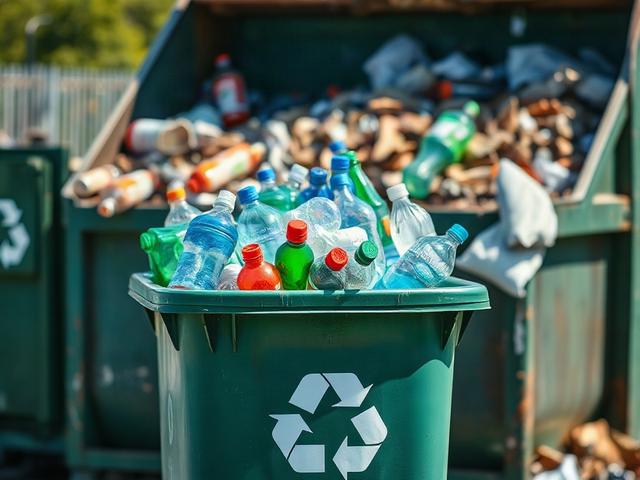
Businesses generate plastic waste every day, from manufacturing scraps and packaging materials to discarded containers and shipping supplies. Traditionally, businesses send much of this material to landfills or other waste disposal facilities. Plastic recycling collection services offer an alternative that can help businesses manage waste more efficiently while creating potential environmental and financial benefits.
Understanding the differences between recycling collection and traditional waste disposal can help businesses choose a waste management strategy that supports their operational needs. Cost, environmental impact, material recovery, and long-term value are all important factors to consider.
Plastic recycling collection services collect plastic materials from businesses and transport them to facilities where they can be sorted, processed, and prepared for reuse. Depending on the program, businesses may be able to recycle production scrap, plastic packaging, containers, and other eligible materials.
The process gives usable plastic a chance to stay in the manufacturing cycle instead of becoming waste. Recovered materials can eventually be processed into recycled plastic resins and other products, reducing the need for virgin plastic in certain applications.
Traditional waste disposal generally involves collecting unwanted materials and transporting them to a landfill or another disposal facility. For businesses that generate large amounts of plastic, this approach can result in significant disposal volumes over time.
While traditional disposal can be convenient, it doesn't recover the value contained in many plastic materials. Once recyclable plastic goes to a landfill, it generally won't be available as a manufacturing feedstock.
Cost is often the first consideration for businesses evaluating waste management options. Traditional disposal may appear less expensive when looking only at the immediate cost of removing materials from a facility.
However, recycling can provide financial value beyond the initial collection cost. Depending on the type and volume of plastic being recycled, businesses may reduce disposal expenses while recovering value from materials that would otherwise be discarded.
Several factors can influence the overall cost of a plastic recycling program, including:
A recycling provider can help a business evaluate its waste stream and identify opportunities to improve the program's economics.
Plastic waste presents significant environmental challenges because many types of plastic can remain in landfills for extremely long periods. Recycling recovers usable materials and reduces the amount of plastic that requires disposal.
When manufacturers process plastic for reuse, they can use recycled material instead of relying entirely on newly produced plastic. This can help conserve resources and support a more circular approach to manufacturing.
Recycling can also help businesses reduce the amount of waste they send to landfills. For companies with sustainability goals, diverting eligible plastic from traditional disposal can be an important part of a broader environmental strategy.
The benefits of plastic recycling can extend beyond waste reduction. A well-managed recycling program can support a company's broader efforts to improve resource efficiency and make better use of materials.
Businesses may also benefit from developing more organized waste management practices. Separating recyclable plastics at the source can make collection and processing more efficient while helping employees understand which materials to recover.
Over time, recycling can support several business objectives:
These benefits can make recycling a strategic business decision rather than simply another waste management expense.
Not every plastic material can be handled through the same recycling process. Businesses should understand what types of plastics they generate and whether those materials fit their chosen recycling program.
Material contamination can also affect recycling opportunities. Keeping recyclable plastics separated from food waste, chemicals, and other contaminants can help preserve material quality and make processing more efficient.
Before starting a program, businesses should evaluate their current waste stream, available storage space, collection needs, and the types of plastic they generate. A qualified recycling provider can help determine which materials to collect and how to structure the program.
Traditional waste disposal can remove unwanted plastic from a business, but recycling collection services can provide opportunities to recover useful materials and reduce landfill waste. For businesses focused on controlling costs, improving resource efficiency, and supporting sustainability goals, recycling can offer meaningful long-term value.
Ready to explore a better way to manage your company's plastic waste? Reach out to Becher Plastics today to discuss your recycling needs. Our team is ready to help you identify practical collection and recycling solutions for your business.